
Language Program
The Ts’il Kaz Koh Language Program works to preserve, strengthen, and revitalize both Dakelh and Wet’suwet’en languages and cultural knowledge within our community. The program creates opportunities for members of all ages to learn through land-based activities, cultural teachings, storytelling, workshops, camps, and community events.
Our purpose is to reconnect language with everyday life by supporting intergenerational learning between Elders, Knowledge Keepers, youth, and families. Through educational resources, recordings, cultural programming, and on-the-land experiences, the program helps ensure our languages, traditions, and teachings continue to be passed down to future generations.

Program Highlights
Video Project
Video projects are being created to document and share the Wet’suwet’en and Dakelh languages in culturally appropriate ways.
Language speakers and knowledge holders will be filmed out on the land, sharing stories, teachings, and lived experiences to help community members hear, learn, and connect with the language.
Community kind find these videos here.

Print Project
A variety of print projects, including books, games, flash cards, and other learning materials, are also being developed to support and celebrate the Wet’suwet’en and Dakelh languages.

Other Projects
Additional projects, activities, events, and resources are being developed through the Language Program to support those on their language journey in both Wet’suwet’en and Dakelh languages.
Language Camps
Language Camps create opportunities for community members to strengthen and revitalize Dakelh and Wet’suwet’en languages through connection to community, language speakers, culture, and the land. Hosted on traditional TKK territory at Cliff Lake, the camps bring people together for language learning, cultural teachings, land-based activities, and time on the land.
The camps support intergenerational learning by creating space for Elders, Knowledge Keepers, language speakers, youth, families, and learners to share knowledge and build relationships. Alongside language learning, participants can take part in cultural activities such as harvesting, traditional crafts, storytelling, and other opportunities to connect with cultural knowledge and practices.
Camps are hosted in person at Cliff Lake, with Zoom options available to support participation and connection for community members who are unable to attend in person. Through these gatherings, Language Camps help create space for our languages to be spoken, practiced, shared, and carried forward for future generations.
Word of the Month
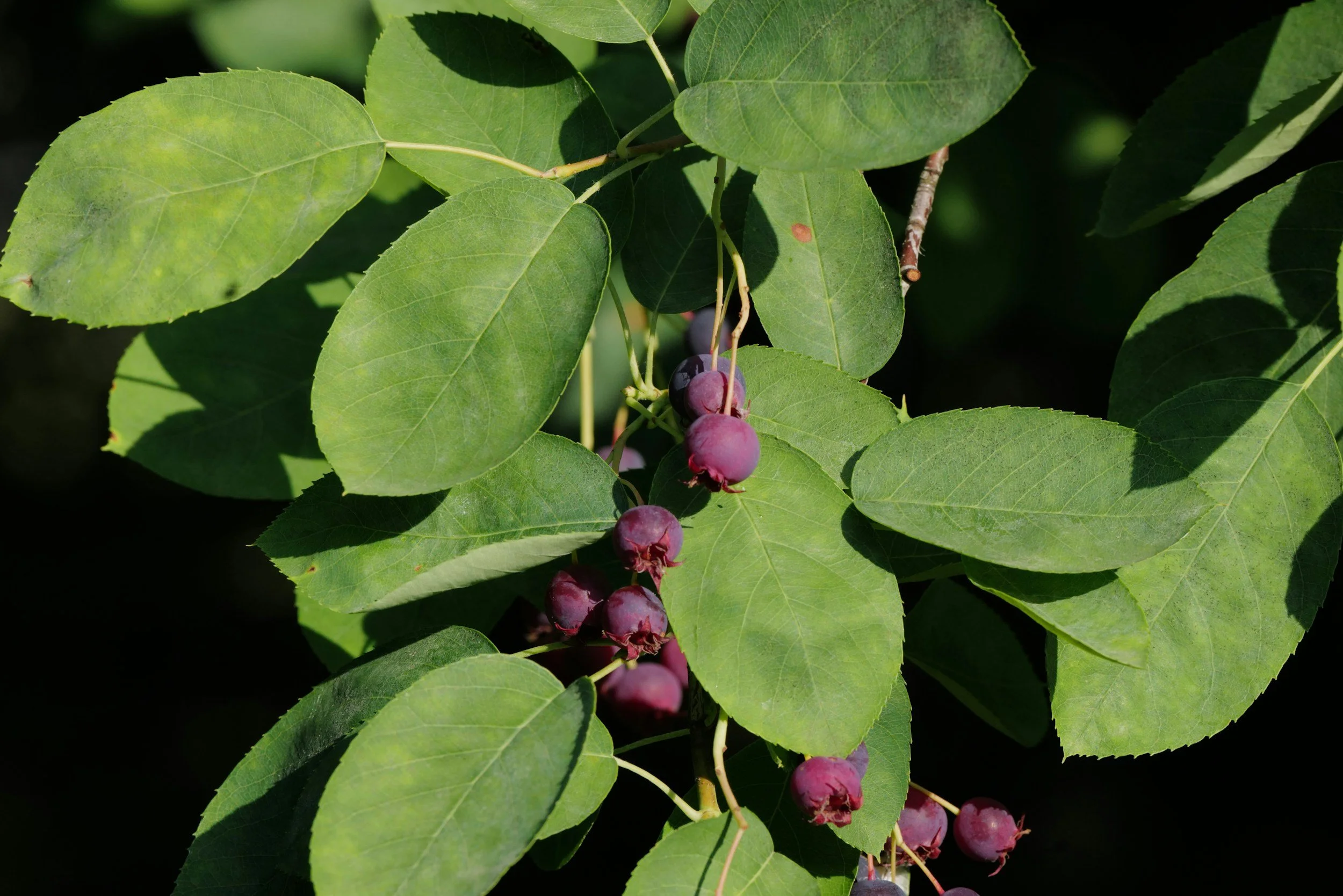
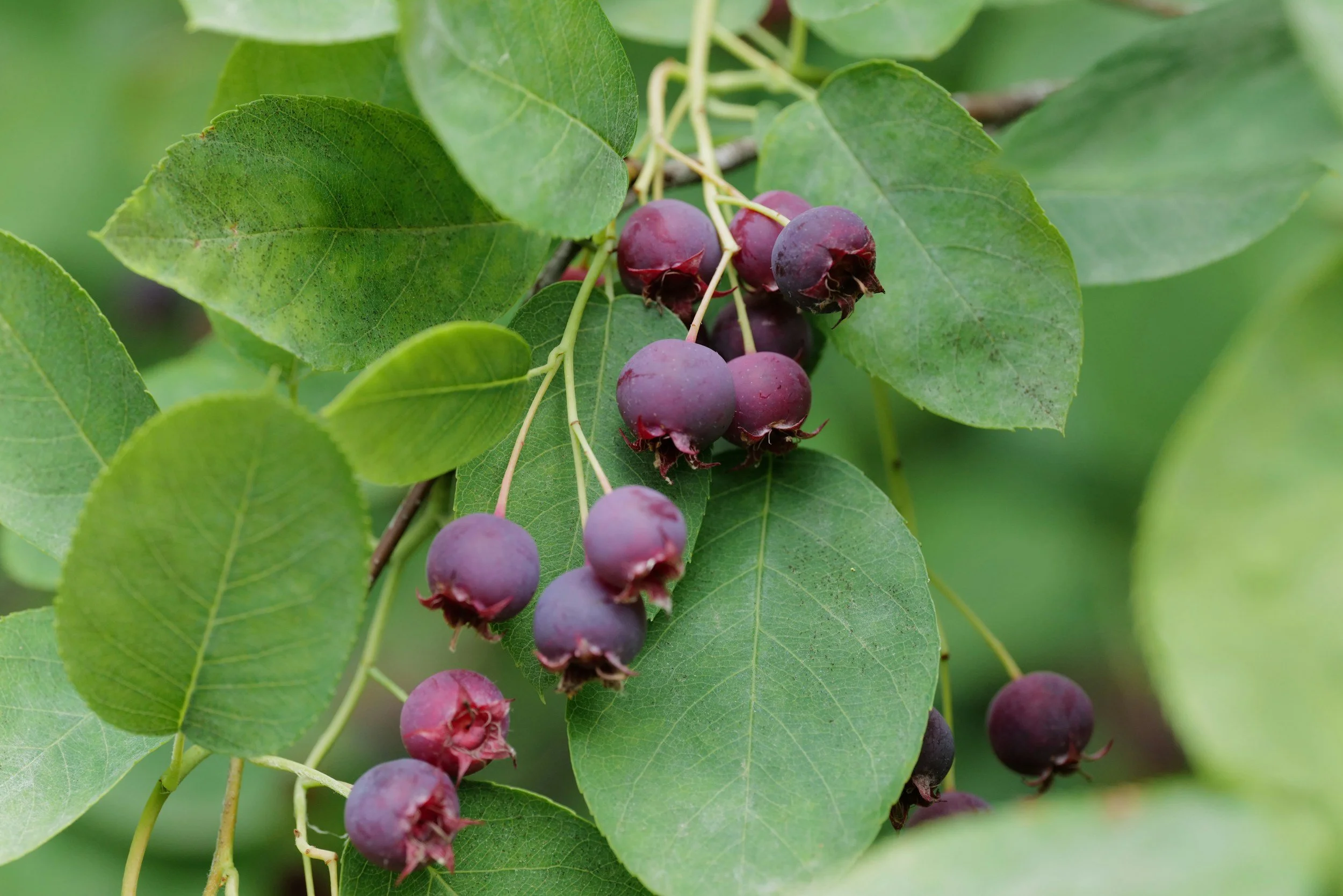
Saskatoon Berry
Dakelh: Word******
Wet’suwet’en: Word ****

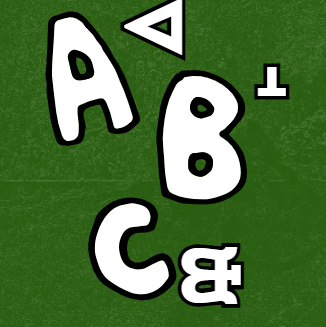
Wet’suwet’en Syllabics Flash Cards
Coming soon
Program Goals Under the Comprehensive Community Plan
Create opportunities for knowledge sharing and intergenerational learning between Elders and youth.
Identify creative ways to ensure that members who live away-from home can access opportunities to learn about and connect with our culture (e.g., travel subsidies for members, Zoom classes and events).
Share information about the history of Ts’il Kaz Koh and Our Territory in public (e.g., on the Ts’il Kaz Koh website)
Develop in-person and virtual language learning courses and resources within both dialects (e.g., partner with First Peoples Cultural Council; expand the awareness and accessibility to the First Voices app)
Frequently Asked Questions
-
You can stay up to date with the Ts’il Kaz Koh Language Program through TKK’s communication channels. Program updates, upcoming activities, events, and opportunities will be shared through the TKK Facebook page, app, website, and community email list.
We encourage community members to follow these channels and sign up for the email list to stay connected and informed about what is happening within the program.
-
If you are a Dakelh or Wet’suwet’en speaker and would like to support the Ts’il Kaz Koh Language Program, we would love to hear from you. Community speakers, Elders, Knowledge Keepers, and learners all play an important role in helping preserve and strengthen our languages for future generations.
If you are interested in getting involved by sharing language, stories, teachings, pronunciations, or participating in language activities and resource development, please contact Kiana Wiebe at admin.assistant@tsilkazkoh.net.
-
Yes, there are additional language resources available outside of the Ts’il Kaz Koh Language Program that community members may find helpful for learning and practicing Dakelh and Wet’suwet’en. Online platforms such as FirstVoices provide language apps, dictionaries, pronunciation recordings, alphabets, and learning tools for many Indigenous languages across British Columbia.
-
No, you do not need to have any previous language experience to use the resources. Whether you are a fluent speaker, are beginning to learn, or have never spoken Dakelh or Wet’suwet’en before, there is space for you in the program.
Resources are being developed to support people at all stages of their language journey. Having community members with different levels of language knowledge learning alongside one another creates opportunities to share knowledge, support each other, and learn from one another. Everyone has a role to play in strengthening and revitalizing our languages for future generations.
-
Kiana Wiebe is the Language Program Coordinator.
admin.assistant@tsilkazkoh.net
250-692-7717 -
Language resources created through the Ts’il Kaz Koh Language Program are protected through community-guided protocols, consent-based recording practices, and secure storage of digital and physical materials. Elders, Knowledge Keepers, and participants are asked for permission before recordings, stories, or teachings are shared or distributed.
Digital files such as audio recordings, videos, photographs, and documents are stored on secure drives and backed up to help preserve them for future generations. Some materials may be shared publicly for educational purposes, while other cultural knowledge and teachings may remain limited to community use depending on cultural protocols and the wishes of the Knowledge Keepers involved.
The program is committed to respecting cultural ownership, protecting sensitive knowledge, and ensuring language materials are preserved in a respectful and responsible way for long-term community learning and revitalization.
-
The Ts’il Kaz Koh Language Program is funded through grants applied and approved through the First Peoples' Cultural Council. Support for this work has also been made possible in part by the Government of Canada.
This project has been made possible in part by the Government of Canada. / Ce projet a été rendu possible en partie grâce au gouvernement du Canada.
More information can be found at Government of Canada
-
Language resources are made available through the Ts’il Kaz Koh Language Program as they are developed. Community members can access language resources through the Ts’il Kaz Koh website, community programming, printed learning materials, and digital platforms. Resources such as videos, audio recordings, downloadable PDFs, and language activities will be shared online to help both on-reserve and off-reserve members participate in language learning.
A YouTube channel has been created for community members who prefer accessing video content in that format. Printed resources such as language flashcards, postcards, games, and activity materials will be distributed to interested members, schools, youth programs, and families to encourage learning at home and within the community.
The program aims to make resources accessible, portable, and easy to use for learners of all ages and language levels.
We also encourage community members to stay up to date through TKK communication channels, where updates about new resources, language activities, and upcoming opportunities will be shared. Attending community events and language activities is another way to connect with the program and access learning opportunities and resources.
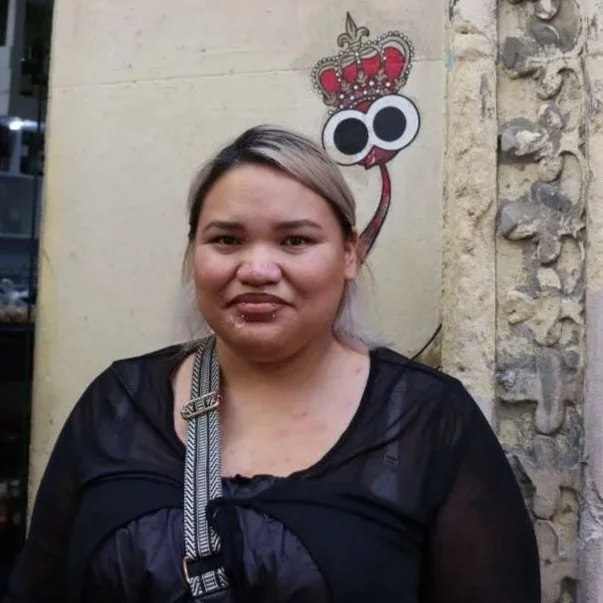
Program Lead
Kiana Weibe
Hadih, Kiana Wiebe le Soozi’. Adele Tibbetts le sloo. Kelly Dennis le sba. Lhts’umusyoo hudedah. Ts’il Kaz Koh Whut’en hasya.
Hello, my name is Kiana Wiebe. My mother is Adele Tibbetts and my father is Kelly Dennis. I am Beaver Clan and I am from Ts’il Kaz Koh.
Kiana works with the Ts’il Kaz Koh Language Program supporting language revitalization, cultural programming, community engagement, and resource development. Her work focuses on helping preserve and strengthen both Dakelh and Wet’suwet’en languages through land-based learning, community activities, educational resources, and intergenerational knowledge sharing.